

How To Introduce Solids To Baby the GAPS Way
It’s been nearly a decade since I first wrote this post, and though my youngest is now fully grown, I can still recall the thrill (and occasional overwhelm) of preparing to feed a tiny human real food for the first time.
By the time babies three and four came along, my excitement was mixed with a hearty dose of “Shiiiista… what have I gotten myself into?” But what I really wish is that I had known—right from the start—how to introduce solids the GAPS way. It would have given all of my babies a more robust foundation for lifelong gut health, immune strength, and development.
Looking back, I wish I had known:
-
Not to disrupt their delicate digestive systems with processed baby foods or hard-to-digest cereals.
-
How to feed them nourishing, brain-building, and gentle foods—like quality fats and soft egg yolks.
-
That there was a smarter, more intuitive, nutrient-dense path to feeding a baby.
Thankfully, Dr. Natasha Campbell-McBride offers a practical, generous, and bio-individual approach to starting solids, rooted in the wisdom of the GAPS diet.
Let’s walk through this together, step-by-step.
A Note on Breastfed vs. Bottle-fed Babies
Before diving into the food progression itself, it’s important to know when to begin based on how your baby is fed:
-
Bottle-fed babies: Start solids at 4 months
-
Breastfed babies: Start solids at 6 months (or sooner if your little one seems especially hungry)
First Step: The Skin Sensitivity Test
Before introducing any new food, Dr. Natasha recommends doing a skin sensitivity test. While I use MRT food sensitivity testing for my older clients, this method is safe and easy for babies.
Here’s how to do it:
-
Before bedtime, place a drop of the food on your baby’s wrist.
(If the food is solid, mash it and mix with a little water.) -
Let it dry, then put baby to bed as usual.
-
In the morning, check for any redness or irritation.
-
If the skin looks angry or red, wait a few weeks before trying that food again.
-
✅ Be sure to test the food in the form it will be eaten.
For example: If testing raw egg yolk, apply raw yolk—not a whole or cooked egg.
Watch Baby’s Reactions
Even if the skin test is clear, your baby’s body will still offer feedback:
-
Changes in stool (diarrhea or constipation)
-
New skin rashes or eczema flare-ups
These are signs that the food may be too much or introduced too quickly. Slow down, pause, and try again later.

Week One: Gentle Beginnings
✨ Begin with a sensitivity test for each new food, starting with the meat stock.
The focus for Week One is to gently nourish your baby’s gut with two foundational foods:
-
Homemade meat stock (not broth)
-
Fresh-pressed carrot juice
These two simple introductions lay the groundwork for strong digestion and vibrant health.
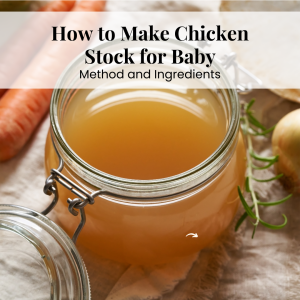
🥄 Meat Stock: Nourishing and Soothing
Start with just 1–2 teaspoons of warm meat stock before each breastfeeding session.
🍼 Tip: Offer the breast as a reward afterward—this builds positive association and comfort.
This small amount of stock begins to train your baby’s digestive system, while delivering collagen-rich, mineral-dense nourishment.

🥕 Carrot Juice: Gentle Detox & Nutrient Boost
Offer 1–2 teaspoons per day of freshly pressed carrot juice.
-
Mix with warm water to take the chill off.
-
Use within 30 minutes of pressing to preserve enzymes and nutrients.
This juice supports liver health and offers a gentle introduction to plant-based nutrients—without overwhelming the gut.
Week Two: Gentle Expansion & Nourishing Fats
✨ Continue the sensitivity test for each new food.
This is a big and exciting week! You’re beginning to gently expand your baby’s palette and microbiome support by:
-
Adding probiotic-rich liquids
-
Incorporating more vegetables into juices
-
Introducing cooked vegetable purees with healthy fats
✅ Continue Week One Foundations
-
Keep offering meat stock (1–2 tsp before each breastfeed)
-
Increase fresh-pressed carrot juice, up to a few teaspoons per day
🧃 Add New Vegetable Juices
Blend in small amounts of additional veggies to the carrot juice:
-
Cabbage
-
Celery
-
Lettuce
🍶 Mix with warm water and serve within 30 minutes of pressing.
🌿 Add Probiotic Liquids to Meat Stock
Start adding ½ teaspoon per day of probiotic liquid directly into your baby’s meat stock:
-
Homemade whey (goat’s milk preferred)
-
Sauerkraut juice or other fermented vegetable juices
🥛 If Whey Is Well Tolerated…
Try ½ teaspoon of homemade yogurt (cultured for 24 hours).
If that goes well, move on to:
-
½ teaspoon of homemade sour cream (cultured the same way as the yogurt)
🥣 Introduce Pureed Vegetable Soups
Cook veggies in meat stock until very soft. Then:
-
Purée until smooth
-
Add a small amount of healthy fat
-
Start with 2–4 teaspoons per day
-
Gradually increase consistency—from thin soup to thicker puree
👶 When soup cools slightly, stir in 1 tsp of homemade yogurt for added beneficial bacteria.
🧈 Fats to Include (Rotate Through)
-
Rendered fats from pork, beef, lamb, duck, goose, or chicken (these are the most important!)
-
1 tsp organic coconut oil
-
1 tsp homemade ghee (organic, unsalted)
-
1 tsp cold-pressed olive oil
-
1 tsp raw, organic, unsalted butter
-
5 drops of high-quality cod liver oil
🥦 Vegetables to Use in Purees
Choose non-starchy, peeled, and seeded vegetables like:
-
Carrots
-
Winter squash
-
Leeks
-
Onions
-
Garlic
-
Broccoli
-
Cauliflower
-
Zucchini
Week Two is all about nourishment and steady introduction. Trust your baby’s cues and go slow—these foods are potent building blocks for a lifetime of vibrant health.
Week Three: First Proteins & Healthy Fats
✨ Continue sensitivity testing each new food.
In Week Three, your baby takes a big step forward—with their very first solid animal proteins and healthy raw fats. This is the time to bring in well-cooked meats, fish (including skin), and ripe avocado, all folded into the nourishing foundation you’ve already built.
🔁 Continue & Increase Previous Foods
Keep offering and gradually increasing:
-
Meat stock
-
Vegetable soups/purees
-
Fresh veggie juices
-
Fermented liquids
-
Homemade yogurt and sour cream
🍗 Introduce Boiled Meats & Fish
Begin adding small amounts of boiled meats and boiled fish into your baby’s soups or purees.
Start with:
-
Chicken (include soft, fatty parts, dark meat, and skin)
Then move to:
-
Other meats (like beef or lamb)
-
White fish
-
Fish skin (de-scaled) – highly nutritious and supportive for skin, brain, and gut
🐟 Tip: Fish is a vital nutrient-dense food at this stage—don’t skip the skin!
🥛 Increase Yogurt & Sour Cream
Bump up fermented dairy to 1–2 teaspoons with every meal (if well tolerated):
-
Homemade 24-hour yogurt
-
Homemade sour cream
Continue adding 1 tsp of fermented veggie juice to your soups and purees for extra probiotic support.
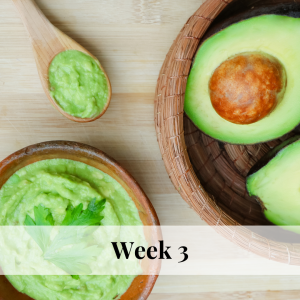
🥑 Introduce Ripe Avocado
Add 1 tsp of ripe avocado to your vegetable purees and soups.
🥄 Mash well and blend it in—this healthy raw fat supports the nervous system, brain development, and satiety.
This week marks the beginning of truly building up baby’s strength and resilience. Each bite is nourishment, medicine, and love.
Weeks Four & Five: Gentle Superfoods
✨ As always, sensitivity test each new food.
These two weeks focus on introducing two nutrient-dense and supportive foods: raw organic egg yolk and cooked ripe apple puree. Both are rich in easily absorbed nutrients and can be lovingly folded into the foundation you’ve already built.
🔁 Continue & Increase All Previous Foods
-
Meat stock
-
Boiled meats and fish
-
Fermented dairy and veggie juices
-
Vegetable soups and purees
-
Avocado
-
Healthy fats
-
Fresh veggie juices
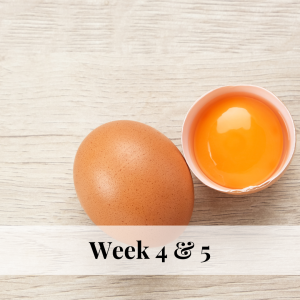
🥚 Add Raw, Organic Egg Yolk
Start blending raw, organic egg yolk into your baby’s veggie purees or soups.
-
Be sure to test with the skin sensitivity method first.
-
After introduction, observe closely for additional signs of reaction like changes in stool or any skin flare-ups.
🥄 This is a deeply nourishing food—give it a little time to integrate before moving forward.
🍎 Add Cooked, Pureed, Ripe Organic Apple
Once egg yolk is well tolerated, you can begin introducing apple.
-
Peel, core, and stew ripe, organic apples gently in water until soft.
-
Purée until smooth.
-
Mix with plenty of ghee, coconut oil, or butter—the fat helps slow sugar absorption and supports digestion.
❄️ Apple puree can be stored in the fridge for up to a week, or frozen in small portions.
🔥 Always warm to body temperature before serving (but never microwave).
🌿 Additional Notes
-
Start with just a few teaspoons of apple puree per day.
-
As always, watch carefully for any changes in bowel movements or skin reactions.
Weeks Six & Seven: Deepening Nourishment & Saying Goodbye to Formula
✨ Continue the sensitivity test for each new food.
These two weeks are all about strengthening what’s already working—and if your baby has been formula-fed, this is the time to begin weaning off. You’re now offering such rich, digestible nutrition through food that it becomes the primary source of nourishment.
🔁 Continue & Increase All Previous Foods
At this stage, your baby’s body is integrating so much. Keep offering:
-
Meat stock
-
Boiled meats and fish (especially gelatinous cuts)
-
Vegetable purees
-
Fresh veggie juices
-
Raw egg yolk
-
Cooked apple puree
-
Ripe avocado
-
Fermented dairy
-
Healthy fats
-
Fermented veggie liquids
🥛 Increase Fermented Dairy
-
Homemade yogurt or sour cream:
Bump up to 3 teaspoons per meal
🍼 You can also stir yogurt or sour cream into fresh-pressed juice or water served in a bottle or cup.
🥚 Increase Egg Yolks
-
Work up to 2 raw organic egg yolks per day, blended into soup, puree, or meat stock.
🍖 Prioritize Gelatinous Meats
-
Increase amounts of slow-cooked, gelatin-rich meats—especially those with connective tissue, skin, and fat.
These support your baby’s gut lining, immunity, and structural development.
🍼 Discontinue Formula (If Applicable)
-
If your baby is still receiving formula, now is the time to stop.
-
If breastfeeding, continue nursing after meals for additional nourishment and bonding.
Weeks Eight & Nine: First Pancakes & Fresh Crunch
✨ Continue to sensitivity test each new food.
These two weeks bring a sense of play and texture—with your baby’s first nut butter pancakes and a gentle introduction to raw vegetables. It’s a milestone moment!
🔁 Continue & Increase All Previous Foods
By now, your baby is becoming familiar with a broad variety of nourishing, easy-to-digest foods. Keep building on:
-
Meats and meat stock
-
Egg yolks
-
Fermented dairy
-
Vegetable soups and purees
-
Fresh juices
-
Cooked apples and avocado
-
Healthy fats
-
Probiotic liquids
🥞 Add Nut Butter Pancakes
This is a big and delicious step—introducing soft pancakes made with:
-
Almond or hazelnut butter
-
Cooked squash
-
Eggs
🥄 Start with small, baby-sized bites of soft, warm pancake.
Omit salt and other seasonings for baby-friendly digestion.
✨ Here’s my pancake recipe (adaptable for babies)
🧃 Increase Fresh Juices
Keep building your baby’s juice intake and begin to add a little raw apple to the mix for gentle sweetness and added variety.
🥬 Introduce Raw Vegetables (Purée Style)
Begin with:
-
Raw lettuce
-
Peeled cucumber
Purée or finely blend these, then stir into your baby’s veggie purees or soups.
✅ Once these are tolerated well, gradually add other raw vegetables—prepared the same way:
Carrot
Celery
Cabbage
Bell pepper
Kohlrabi
This is a fun and exciting week—your baby’s tastebuds, gut, and brain are all getting lit up with variety and gentle challenge. When you’re ready, we’ll wrap it up with Weeks Ten & Beyond!

Week Ten: Fruit, Scrambled Eggs & More Texture
✨ Continue sensitivity testing for each new food.
This week opens the door to new textures and tastes—including your baby’s first scrambled eggs and fresh raw fruits. These additions provide gentle stimulation for digestion and sensory development.
🔁 Continue & Increase All Previous Foods
-
Meats and stocks
-
Fermented dairy
-
Veggie soups and purees
-
Fresh juices with added raw veggies and fruits
-
Egg yolks
-
Pancakes
-
Avocado
-
Cooked apples and raw veggies
🍳 Try Scrambled Egg (Gently Cooked)
Cook a whole egg gently in good fat (ghee, butter, coconut oil, etc.).
Start with just a tiny amount and serve with avocado or vegetables to support digestion.
🥄 Avoid browning or overcooking—soft, custardy texture is best.
🍎 Add Raw Fruits
Introduce two soft, easy-to-digest fruits:
-
Peeled raw apple
-
Ripe banana (look for brown spots on the skin)
🍌 Offer these fruits between meals as a snack to support blood sugar balance and digestion.
Beyond Week Ten: Expanding the Family Table
At this point, your baby is eating a wide variety of nutrient-dense, body-building foods—and you can now begin to fold them fully into the family rhythm of eating.
🧀 Add Homemade Cottage Cheese
Made from your 24-hour homemade yogurt:
-
Warm a bowl of yogurt in a hot water bath until it separates into curds and whey.
-
Pour the mixture into cheesecloth and tie the ends together.
-
Hang and let drip for 8 hours over a bowl to separate fully.
-
Scoop out the soft, fresh curds—baby’s first cottage cheese!
🍞 Add GAPS-Friendly Bread
This is a huge milestone—your baby can now enjoy simple GAPS bread.
✨ Here’s my recipe, easily adapted for babies
Tip: Cut into small, soft cubes and serve with soup, fat, or purée.
🧂 Add Small Amounts of Natural Salt
Now that your baby’s digestion is stronger, a pinch of unrefined salt can be added to meals.
No more need to cook separate food for your little one—they’re now fully included in your healing kitchen!
Important Notes for Introducing Solids
Before you begin (and all along the way), here are some key reminders to help you navigate the 10-week GAPS baby food progression with more ease and confidence:
-
✅ Always do a skin sensitivity test before introducing any new food—this helps eliminate unnecessary guesswork later.
-
🕊️ Introduce and increase foods gradually—honoring your baby’s pace.
-
🔁 Continue feeding previous well-tolerated foods as you add new ones.
-
🚫 You don’t have to introduce every food right away—if there’s sensitivity, simply wait and try again later.
-
🍼 Offer the breast only as a reward, after your baby has had their nourishing meat stock.
-
⚠️ Never use commercial stock, bouillon cubes, or pastes. Only use homemade meat stock with the fat left in.
-
🧃 Avoid store-bought juices—only use fresh-pressed, homemade vegetable and fruit juices.
-
💛 Dr. Natasha reminds us to be confident and relaxed—babies are incredibly intuitive and can sense our stress.
-
🥄 Use two spoons at mealtime: one for baby to play or practice with, and one for feeding.
-
⏳ This stage goes by so fast—soak it up. These early moments of nourishment are sacred.
From My Heart to Yours
I hope this guide supports you in confidently feeding and caring for your baby during these foundational weeks. Take your time, trust your instincts, and know that what you do now will ripple through your child’s health for years to come.
💫 Want to Go Deeper?
If you’d like more support with implementing GAPS™ for yourself or your whole family, my GAPS Class is an excellent place to begin.
👉 Click here to learn more and register

Photo by Toa Heftiba on Unsplash